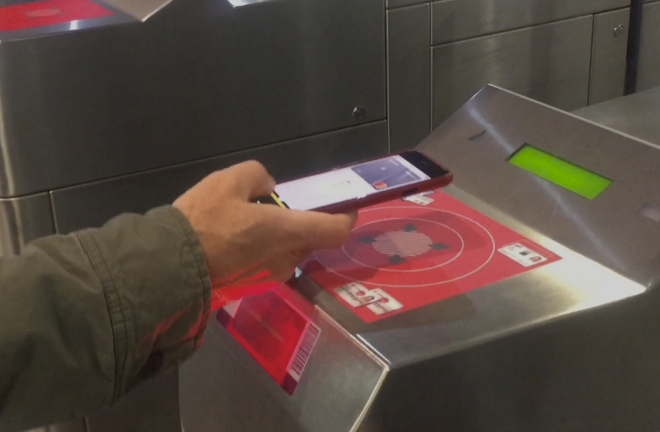
Public transportation has evolved into an essential component of infrastructure worldwide, and to ensure its ongoing efficiency, it must be future-proofed. This is where digital payments play a crucial role. The introduction of payment innovation enhances the overall customer experience, rendering long queues and fumbling for change relics of the past.
But how exactly do digital payments revolutionise public transport? In the context of electronic and mobile ticketing, two distinct approaches emerge: closed loop and open loop systems.
In a closed loop system, passengers are provided with a credit card-sized smart card that they can conveniently top up with funds, as exemplified by the Madrid Transport Consortium card. On the other hand, open loop payments allow passengers to utilise their existing contactless cards or devices, ranging from debit cards to wearables. This approach offers the same level of seamless travel as the closed loop system but eliminates the need for an additional card and the requirement to remember to top it up. Passengers simply need to tap their devices on the sensors and by doing so, the transaction is effortlessly completed.