Mobile wallets are the backbone of Latin America’s digital payment revolution. Over 64% of the region’s population use mobile internet, meaning the infrastructure for widespread wallet adoption is firmly in place. And adoption rates are impressive, with 60% of the population using mobile wallets or payment apps for everyday transactions.
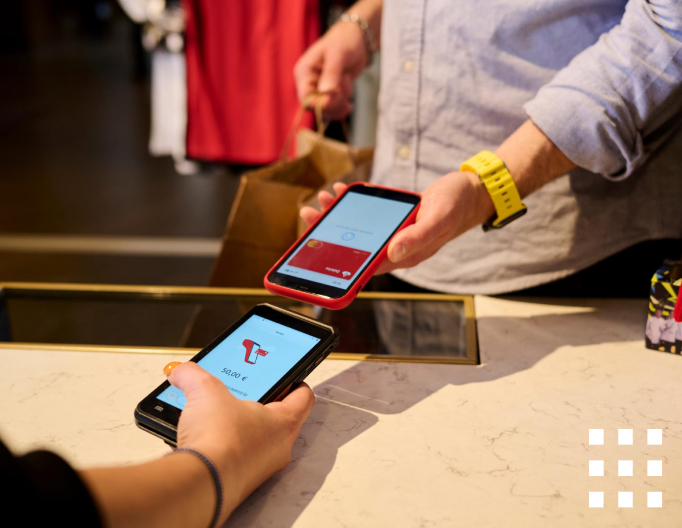
Mobile wallets are digital software applications on phones that securely store users’ payment information such as credit, debit or stored value cards. When a payment is made, the wallet app transmits encrypted payment data using technologies like Bluetooth, WiFi, Near Field Communication (NFC), or Magnetic Secure Transmission (MST) to a point-of-sale terminal. The transaction data is securely routed via payment processors, card networks, and banks, which approve and settle the payment.
Mobile wallets include global players like Apple Pay, Google Pay and Samsung Pay, which allow card-based tap-to-pay transactions through phones, alongside regional leaders such as PicPay and Nubank. These solutions are seeing high adoption rates, with mobile wallets becoming the default for everything from splitting checks to paying utility bills. In 2024, digital wallets accounted for 50% of Argentina’s e-commerce payments, surpassing credit cards, which held nearly 55% just a year earlier. Meanwhile Brazil and Mexico are experiencing rapid growth, with digital wallet adoption increasing by 45% annually.
In Brazil, PicPay leads as the most popular digital wallet, with over 70 million registered users, while Nubank, active in Mexico, Colombia and Brazil, has more than 100 million registered users.